Upgrade Your Area With Expert Bathroom Renovation
Bathroom remodeling is frequently neglected yet important for improving a home's functionality and aesthetic appeal. Many homeowners determine their current layouts inefficient, failing to support daily demands. Expert guidance can navigate these intricacies, transforming a plain space into a cherished retreat. The matter remains: how can one accurately pinpoint their aesthetic, set an achievable spending plan, and determine the right components? Grasping these elements is critical for a successful remodel.
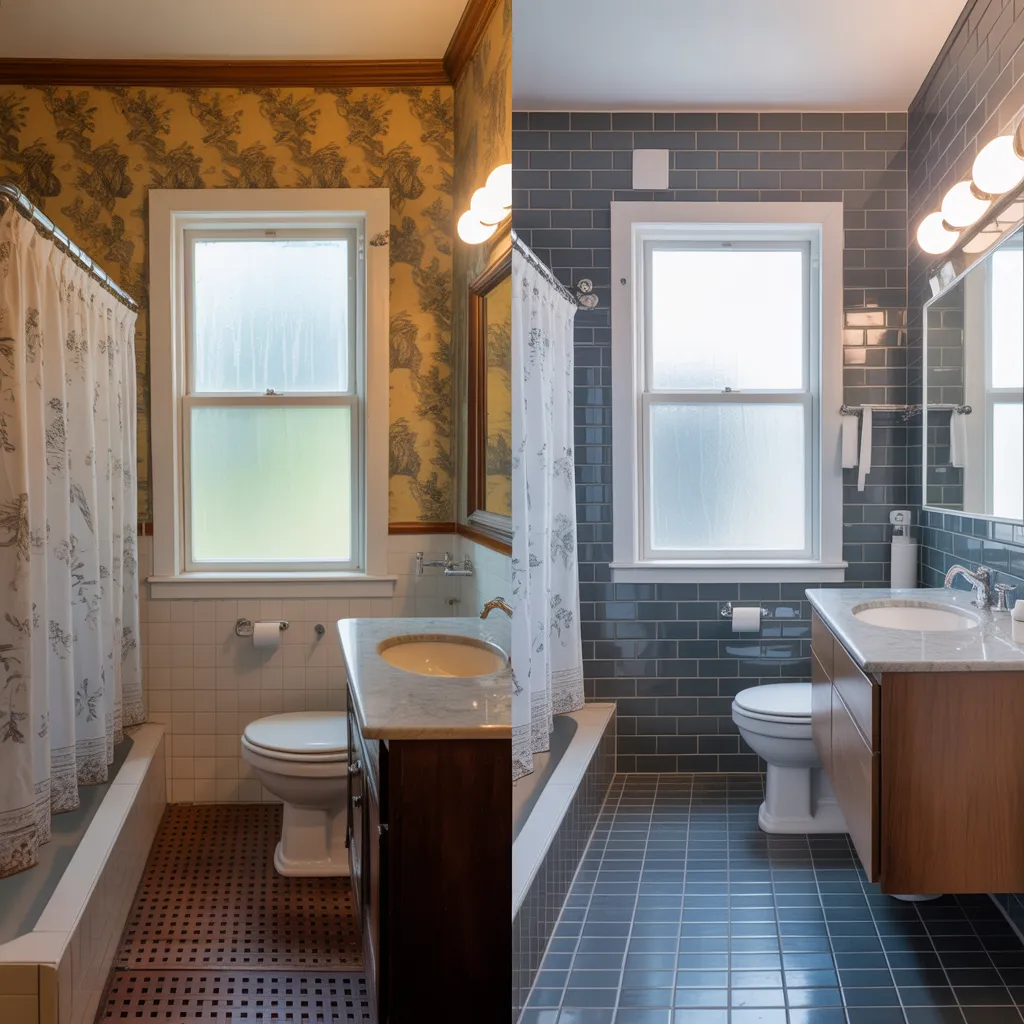
Why Isn't Your Bath Space Serving Your Needs?
Why does a bathroom fail to satisfy its owner's requirements? Often, the issues arise from limited space, bad layout, or old fixtures. A cramped environment can hinder mobility, causing inconvenience during everyday tasks. Insufficient storage can lead to disorganization, creating frustration during use. Additionally, old-fashioned designs may not reflect the owner's style, creating a disconnect between the space and the individual.
Lighting is crucial; poor quality or intense lighting can impact the performance and atmosphere, making the bathroom feel unwelcoming. Accessibility is an additional consideration; if the bathroom does not accommodate all inhabitants or visitors, it can become a cause of frustration.
In the end, a bathroom that fails to align with its user's needs and preferences can reduce the overall experience, prompting the need for a carefully planned renovation. Addressing these elements is essential for transforming a bathroom into a functional and enjoyable space.
How to Uncover Your Bathroom Style and Needs
Recognizing personal style and needs is a fundamental step in creating a workable bathroom. Homeowners should initiate by evaluating their lifestyle and daily routines. Elements including the user count, storage capacity, and desired features carry significant weight in establishing the design.
To investigate style preferences, homeowners can review interior publications, websites, or online communities for references. Making a design compilation can help imagine color palettes, surface finishes, and fixtures that match individual preferences.
Additionally, analyzing the existing space is fundamental. Recording any design features or limitations will inform the planning phase. Homeowners may also contemplate what currently works or malfunctions in their bathroom, assisting in pinpointing specific needs.
Ultimately, comprehensive knowledge of personal style and practical demands offers a solid foundation for an impactful bathroom remodeling project, ensuring the final result adheres to both aesthetic desires and practical necessities.
Setting Your Financial Plan for Your Bathroom Renovation Undertaking
Setting a financial plan for a bathroom remodeling project demands a solid grasp of the project's scope. It's essential to plan for unexpected costs that may arise during the remodeling work. By planning carefully, homeowners can minimize budget overruns and achieve their desired results.
Define Initiative Range
Establishing a well-defined budget is vital for a effective bathroom remodeling project. The project scope directly influences this budget, as it defines the degree of renovations. Homeowners must evaluate their needs and preferences, determining which features to focus on, such as hardware, flooring, or cabinetry. A clearly outlined scope allows for more reliable cost estimates, reducing the risk of overspending. Additionally, it aids in making informed decisions about materials and labor. By comprehending the desired outcomes, individuals can allocate funds efficiently, ensuring that important aspects are not compromised. Ultimately, a well-planned project scope forms a roadmap for the remodeling process, harmonizing design aspirations with financial realities and enabling a efficient execution.
Plan for Unexpected Costs
Although the project scope might be clearly specified, homeowners should anticipate unforeseen expenses that may emerge during a bathroom remodeling project. Such expenses can come from different sources like hidden plumbing issues, outdated electrical systems, or additional permitting requirements. Often, homeowners underappreciate the potential for structural repairs, particularly in older homes where issues might not be visible before renovations start. Changes in design plans or selecting high-end materials can also boost costs. To minimize financial surprises, setting aside an emergency fund of at least 10-20% of the total budget is advisable. This approach ensures more flexibility and peace of mind, allowing the remodeling process to continue smoothly despite unexpected difficulties.
Must-Have Qualities for a Well-Designed Bathroom Layout
When creating a functional bathroom, it is essential to emphasize key elements that enhance both usability and comfort. Adequate storage is critical; incorporating storage solutions and cabinetry can help keep the space organized and tidy. Additionally, proper illumination significantly enhances performance, with layered options such as task lighting, ambient lighting, and accent lighting addressing different requirements.
Accessibility represents another critical feature; fixtures like grab bars, non-slip flooring, and a walk-in shower can make the space more protective for all users. An streamlined arrangement assures that necessary elements, such as the toilet, sink, and shower or bathtub, are easily obtainable and intelligently placed.
To conclude, adequate airflow is important to circumvent excess humidity and preserve air quality. Blending these elements creates a connected and functional bathroom design that satisfies the demands of everyday life while furnishing a inviting escape.
Selecting the proper materials and fixtures stands as critical in achieving a well-designed and appealing bathroom. The choice of materials influences both the durability and preservation of the space. For countertops, options like granite or quartz offer toughness and a sleek look, while ceramic tiles provide flexibility in design and ease of maintenance.
When it comes to fixtures, quality matters. Faucets and showerheads should not only be attractive but also water-efficient, promoting sustainability. Choosing finishes that prevent tarnish can enhance longevity and maintain appearance over time.
In addition, lighting fixtures should be strategically selected to guarantee proper illumination and ambiance, balancing functionality with design.
Ultimately, a judicious selection of materials and fixtures can reshape a bathroom into a sanctuary, demonstrating the homeowner's personal style while delivering practicality and comfort.
Finding the Right Renovation Experts
When selecting renovation professionals, it is essential to assess their qualifications and background to guarantee superior craftsmanship. A thorough review of their portfolio and specialties can offer understanding into their aesthetic approach and skill set. This detailed assessment helps homeowners make informed decisions for their bathroom remodeling endeavors.
Qualifications And Background
Finding the right remodeling experts demands careful evaluation of their credentials and experience. Homeowners should look for experts who possess appropriate permits and credentials, as these indicate a commitment to industry standards and regulations. Specific experience with bathroom renovations is vital, as it demonstrates a deep understanding of the unique challenges and requirements of such undertakings. Additionally, seeking out experts with a established history of success can offer confidence of their ability to produce excellent outcomes. Engaging with professionals who participate in ongoing education or industry associations can also be advantageous, as it reflects their commitment to staying updated on trends and techniques. Ultimately, thorough research into credentials and experience will lead to well-reasoned choices and positive renovation results.
Portfolio And Strengths
A well-curated portfolio serves as a glimpse of a remodeling expert's capabilities and style. It showcases past projects, emphasizing the breadth of skills and attention to detail. When assessing potential experts, clients should consider not only the variety of designs but also the quality of craftsmanship. Specialties may include modern, traditional, or eco-friendly designs, and understanding these can help homeowners align their vision with the right professional. An effective portfolio will also demonstrate problem-solving abilities, particularly in challenging spaces. By examining testimonials and case studies, clients can gain insight into the expert's approach to customer service and project management. Ultimately, a strong portfolio guarantees homeowners feel confident in their choice of remodeling partner.
Maintaining Your Newly Renovated Bathroom
Although a freshly updated bathroom can offer joy and utility to a home, it also requires meticulous maintenance to safeguard its beauty and efficiency. Consistent cleaning is vital; using non-abrasive cleaners helps maintain surfaces without causing damage. Daily upkeep, such as cleaning counters and fixtures, avoids the accumulation of grime and mildew.
Examining plumbing fixtures for water seepage is vital, as even small leaks can lead to significant water damage over time. Additionally, monitoring grout lines and caulking guarantees that moisture does not penetrate walls, which could result in mold growth.
Ventilation functions as a important component in maintaining a clean atmosphere; using ventilation equipment during and after showers helps reduce humidity. Finally, regular evaluations of the bathroom's style features allow homeowners to tackle deterioration promptly, guaranteeing that the investment in remodeling continues to deliver returns for years to come.
Popular Inquiries Asked Regularly
What Timeframe Should You Anticipate for a Standard Bathroom Remodel?
A common bathroom remodel generally requires about three to six weeks, based on the start here project’s difficulty and size. Aspects including material availability and contractor availability can influence the overall timeline for completion.
What Permits Are Essential for Bathroom Renovation?
Normally, bathroom renovation requires permits for plumbing work, electrical work, and structural updates. Local regulations may vary, so it's imperative for property dwellers to speak with their municipality to confirm compliance with all obligatory regulatory standards.
Can I dwell in My Home Throughout Renovations?
Indeed, property owners are often able to remain in their residences during renovations, though this may depend on the extent of the work. Disruptions such as dust and noise could make certain areas temporarily unusable, requiring certain modifications.
Which Strategies Allow in Limiting Dust and Debris During Remodeling?
To minimize dust and mess during remodeling, one should seal off work areas with plastic materials, use dust barriers, employ vacuum systems, and verify proper ventilation. Regular cleaning can also help copyright a spotless environment.
What Should I Do if I Face Unexpected Problems?
When encountering unforeseen problems, one should examine the issue, reach out to specialists if necessary, and revise the project plan as needed. Strong communication with contractors can help mitigate setbacks and guarantee a more seamless remodeling process.